The Role of Online Payment Gateways in Secure Digital Transactions
The growth of e-commerce, subscription services, and digital marketplaces has transformed how businesses accept payments.
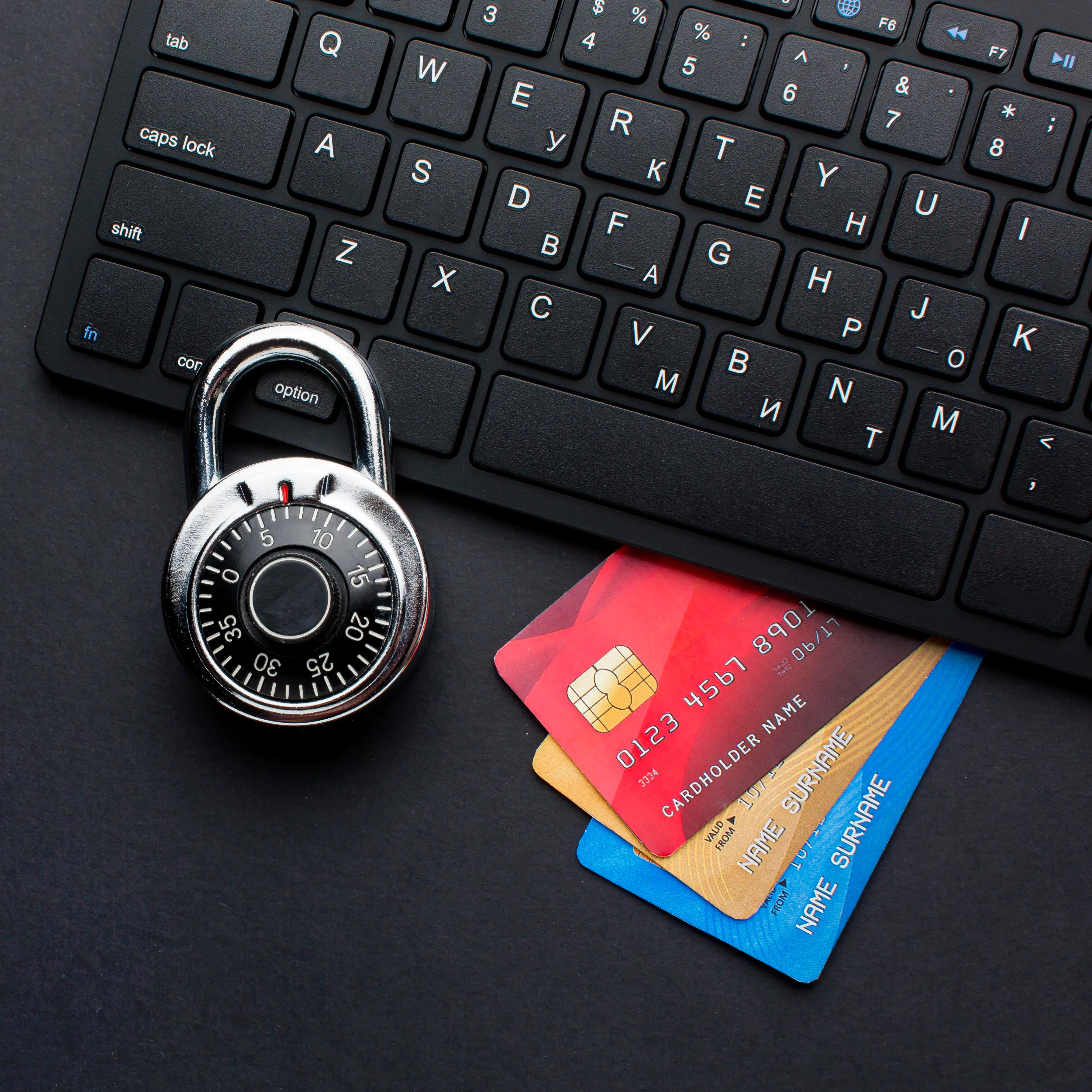
The growth of e-commerce, subscription services, and digital marketplaces has transformed how businesses accept payments. Customers now expect to complete purchases quickly and securely from anywhere, whether they're shopping on a desktop computer, smartphone, or tablet. Behind every successful online transaction is a technology that works quietly in the background the online payment gateway.
A payment gateway acts as the bridge between a customer, a business, and the financial institutions involved in a transaction. It securely captures payment information, encrypts sensitive data, and sends it to the payment processor for authorization. Without this technology, businesses would struggle to provide the safe and seamless payment experience customers expect today.
Whether you're launching a new online store or upgrading your payment system, understanding how payment gateways work can help you make informed decisions about your payment infrastructure.
If you're exploring digital payment technologies, our complete guide to modern payment platforms provides a helpful introduction to the systems that power online transactions.
What Is an Online Payment Gateway?
An online payment gateway is a secure technology that transfers payment information from the customer to the payment processor. It acts as the first checkpoint in an online transaction by ensuring payment details are transmitted safely.
Whenever a customer enters their card information during checkout, the gateway encrypts that information before sending it for authorization. Once the issuing bank approves or declines the payment, the gateway communicates the response back to the merchant's website within seconds.
Although customers rarely notice this process, it plays a vital role in every successful online purchase.
How Payment Gateways Work
Understanding the payment journey helps businesses appreciate why gateways are essential.
A typical online transaction follows these steps:
Step 1: Customer Initiates Payment
The customer selects products or services and proceeds to checkout, where payment details are entered.
Step 2: Payment Information Is Encrypted
The payment gateway encrypts sensitive information, protecting it from unauthorized access while it travels through secure networks.
Step 3: Authorization Request
The encrypted data is sent to the payment processor, which communicates with the customer's bank to verify available funds and approve or decline the transaction.
Step 4: Transaction Confirmation
Once authorization is complete, the gateway immediately sends the result to the merchant's website, allowing the order to proceed or notifying the customer if the payment cannot be completed.
Step 5: Settlement
Approved transactions are later settled, and the funds are transferred to the merchant according to the provider's schedule.
Why Payment Gateways Are Essential
A payment gateway does much more than transfer payment information. It helps businesses build trust while protecting both customers and merchants.
Some of the key benefits include:
Secure transmission of payment data
Fast transaction approvals
Reduced risk of fraud
Support for multiple payment methods
Improved customer confidence
Better checkout experiences
Without a secure gateway, online businesses would face greater risks related to payment fraud and data breaches.
Security Features That Protect Transactions
Security is one of the primary reasons payment gateways are essential.
Modern gateways typically include features such as:
Data Encryption
Sensitive payment information is encrypted before being transmitted, making it difficult for unauthorized users to access customer data.
Tokenization
Many gateways replace actual card numbers with unique digital tokens, reducing the risk of exposing sensitive payment details.
Fraud Detection
Advanced monitoring systems analyze transaction patterns and help identify suspicious activity before fraudulent payments are completed.
PCI DSS Compliance
Many gateway providers support compliance with Payment Card Industry Data Security Standards (PCI DSS), helping businesses handle payment information responsibly.
These technologies work together to protect both merchants and customers during every transaction.
Supporting Multiple Payment Methods
Today's customers expect flexibility when making purchases.
Modern payment gateways often support:
Credit cards
Debit cards
Digital wallets
Contactless payments
Bank transfers
Buy Now, Pay Later (BNPL) options
International payment methods
Offering a variety of payment options can improve customer satisfaction and reduce abandoned carts.
If you're evaluating different payment technologies, our business payment technology resource explains how these solutions work together.
The Relationship Between Payment Gateways and Payment Processing
Many people confuse payment gateways with payment processors, but they perform different functions.
A payment gateway focuses on securely collecting and transmitting payment information.
A payment processor manages communication between financial institutions, verifies payment details, and completes the transaction.
Both technologies are essential for online payment processing, and they often work together seamlessly to create a secure checkout experience.
Understanding this distinction helps businesses choose the right payment infrastructure for their needs.
Choosing the Right Payment Gateway
Not every payment gateway offers the same features.
When comparing providers, businesses should consider:
Security Standards
Choose a gateway that supports encryption, fraud detection, and industry security standards.
Integration
Ensure the gateway integrates smoothly with your e-commerce platform, accounting software, and other business systems.
Payment Methods
Verify that the gateway supports the payment options for your customers prefer.
International Support
Businesses serving global customers should look for gateways that support multiple currencies and international transactions.
User Experience
A simple and fast checkout process helps reduce cart abandonment and improve customer satisfaction.
Common Challenges Businesses May Face
Although payment gateways simplify online payments, businesses should still be aware of potential challenges.
These may include:
Integration issues
Payment failures
Chargebacks
Fraud attempts
Currency conversion complexities
Customer authentication requirements
Working with an experienced payment technology provider can help businesses address these challenges more effectively.
The Future of Payment Gateways
Digital commerce continues to evolve, and payment gateway technology is advancing alongside it.
Emerging trends include:
Artificial intelligence for fraud prevention
Biometric authentication
One-click checkout experiences
Real-time payment processing
Mobile-first payment technologies
Embedded finance solutions
As customer expectations continue to grow, businesses that adopt modern payment infrastructure will be better positioned to deliver secure and convenient payment experiences.
Frequently Asked Questions
Is a payment gateway necessary for online businesses?
Yes. A payment gateway securely transmits customer payment information and plays a critical role in completing online transactions.
Does a payment gateway process payments?
No. The gateway securely sends payment information, while the payment processor communicates with banks and completes the transaction.
Can small businesses use payment gateways?
Absolutely. Many gateway providers offer solutions designed specifically for startups and small businesses.
How does a payment gateway improve customer trust?
Strong security measures, fast transaction processing, and reliable checkout experiences help customers feel more confident when making purchases online.
Final Thoughts
An online payment gateway is one of the most important components of modern digital commerce. It protects sensitive payment information, enables secure communication between merchants and financial institutions, and helps create the smooth checkout experience customers expect.
As online shopping continues to grow, investing in secure and reliable payment technology is no longer optional it is an essential part of running a successful business. By understanding how payment gateways work and what features to look for, businesses can make informed decisions that support long-term growth, improve customer satisfaction, and strengthen payment security.
More from the blog
What Is a Payment Processor? How It Works, Step by Step
A payment processor moves money between your customer’s bank and yours. Here’s how it works, how it differs from a gateway and merchant account, and what it costs.

20 Questions to Ask a Payment Processor Before You Sign
Don’t sign a processing agreement blind. Here are 20 questions to ask about fees, funding, contracts, security and support, plus what a good answer sounds like.
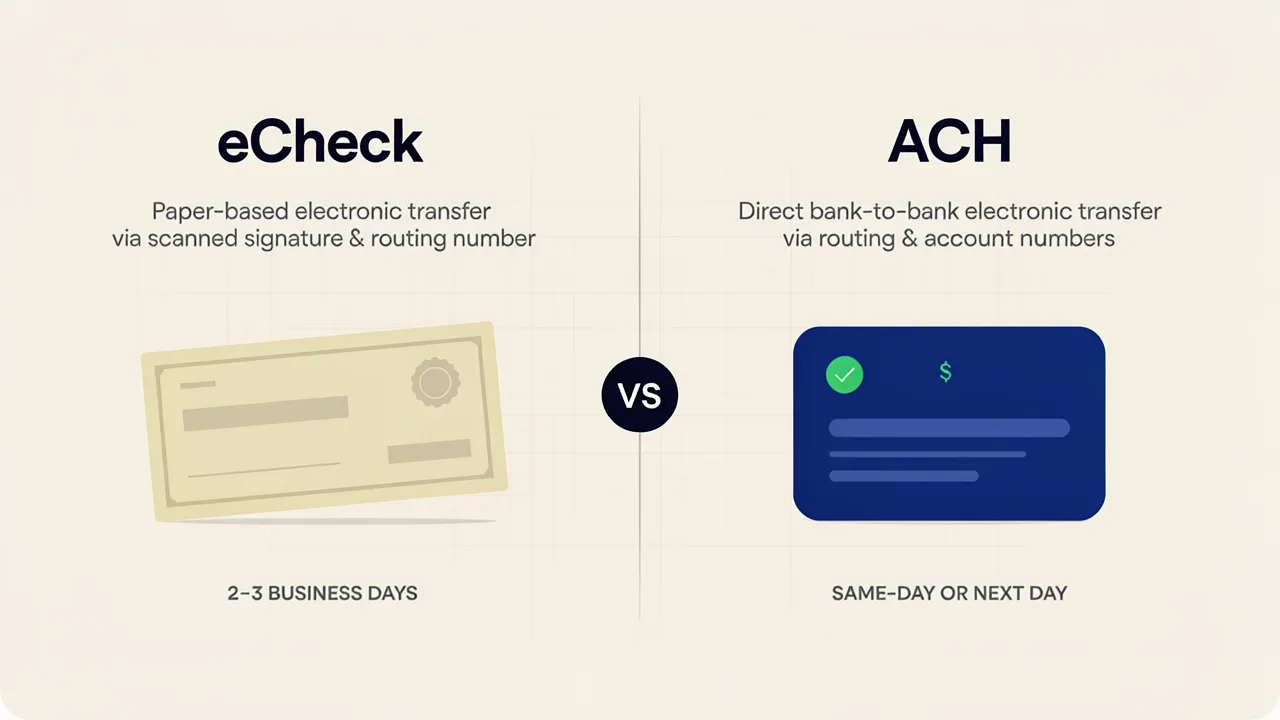
eCheck vs ACH: What’s the Difference and Which Should You Use?
If you’ve ever tried to set up bank payments for your business, you’ve probably hit this wall. One provider says “eCheck,” another says “ACH,” and you’re left wondering if you’re comparing two products or one product with two names.