What Is Embedded Finance? And How It Differs from Open Banking
Embedded finance is often mentioned in the same breath as open banking and while the two are related, they solve different problems. This guide explains what embedded finance is, how it differs from open banking, and where each one shows up in practice.
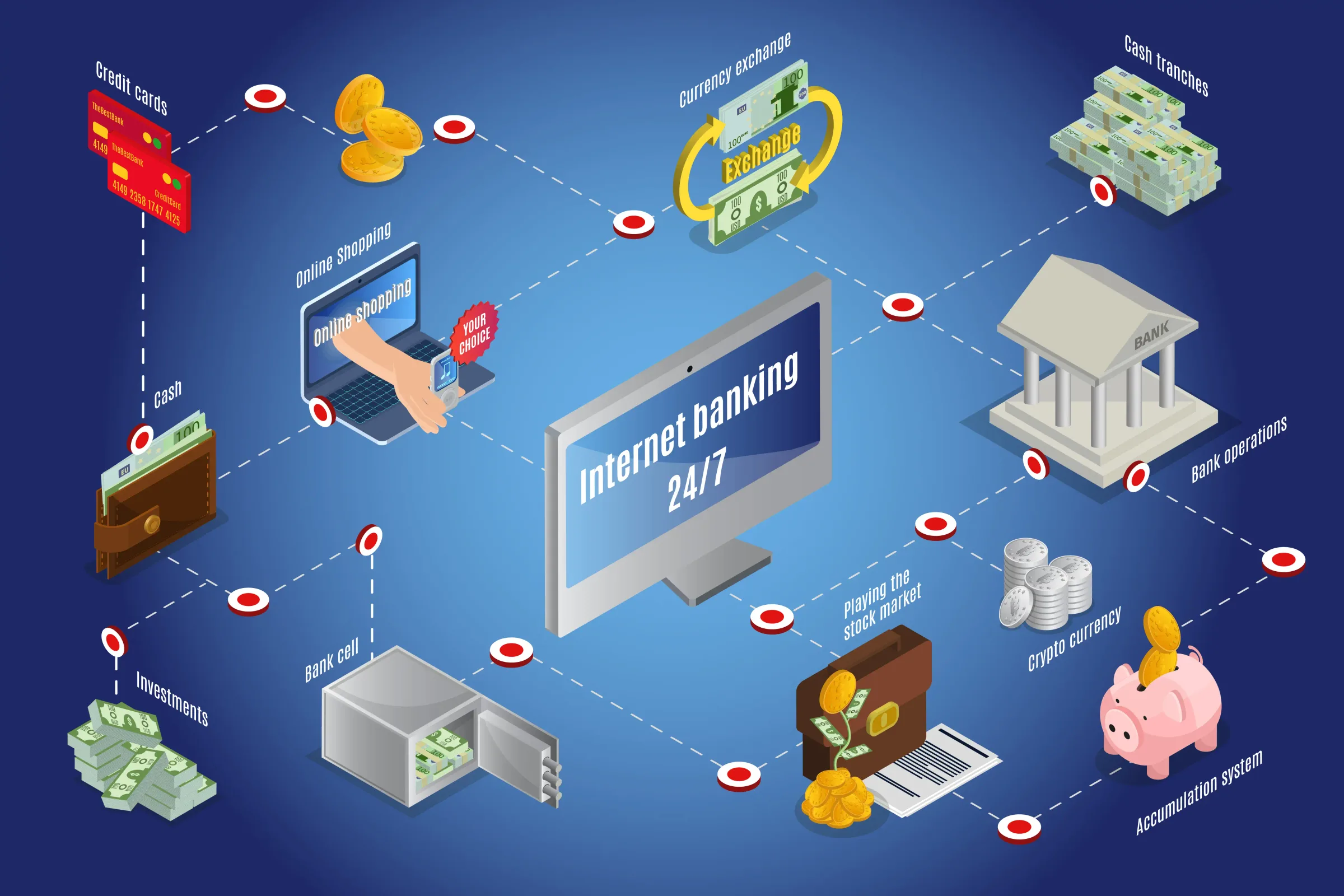
What Is Embedded Finance?
Embedded finance is the integration of financial services payments, lending, insurance, or banking features directly into platforms and apps that aren't financial companies themselves. Instead of visiting a bank or a separate financial provider, customers access these services within the app or website they're already using.
Common examples include:
Getting a loan offer at checkout instead of applying separately with a lender
Paying with a digital wallet inside a ride-sharing or delivery app
Earning instant cash back or rewards directly through a retailer's app
A business using its accounting software to also send invoices and accept payments
Under the hood, this works through application programming interfaces (APIs) that connect the platform to banks or financial infrastructure providers. The platform's brand stays front and center, while the financial plumbing runs quietly in the background.
Embedded finance has grown quickly: the global market was valued at roughly $82.7 billion in 2023 and is projected to keep expanding at a compound annual growth rate above 21% through the early 2030s.
What Is Open Banking?
Open banking is a different, though related, concept. It's a regulatory and technical framework where banks give third-party companies secure access to a customer's account data balances, transactions, spending patterns through APIs, but only with the customer's explicit permission.
The goal of open banking is to give consumers more control over their own financial data, enabling things like:
Budgeting apps that pull in transactions from multiple bank accounts
Comparison tools that use your financial history to find better loan or credit options
Faster loan approvals based on verified account data instead of paperwork
Open banking is heavily regulated. In Europe, for example, banks must provide this kind of secure API access under frameworks like the revised Payment Services Directive (PSD2). The open banking market itself was valued at over $25 billion in 2023 and has been growing even faster than embedded finance, with some estimates projecting it will reach well into the hundreds of billions over the next several years as adoption accelerates.
Embedded Finance vs. Open Banking: The Key Difference
The simplest way to think about the distinction:
Open banking is about data access giving third parties permission to securely view a customer's bank account information so they can build better financial tools.
Embedded finance is about service delivery actually placing financial products (payments, lending, insurance) directly inside a nonfinancial app or platform.
In practice, the two often work together. Open banking can supply the data that makes embedded finance possible for instance, a platform might use open banking to verify a customer's income and spending history, then use that data to instantly offer embedded financing at checkout.
Where Each One Is Used
Open banking use cases:
Personal finance and budgeting apps
Credit scoring based on real transaction history rather than just credit bureau data
Account verification for faster loan or mortgage approvals
Fraud prevention, by giving a fuller picture of financial activity across accounts
Embedded finance use cases:
Buy now, pay later (BNPL) options at ecommerce checkout
In-app payments for ride-sharing, delivery, and travel booking platforms
Business software that adds invoicing, payroll, or lending features directly into the platform
Marketplaces issuing branded cards or accounts to their sellers
Why This Distinction Matters for Businesses
If you're building a product or evaluating a fintech partnership, knowing which category you're actually working with matters:
If your goal is to access and use customer financial data to power smarter decisions (credit scoring, personalization, fraud detection), you're working in open banking territory and need to think carefully about consent, security, and regulatory compliance.
If your goal is to offer a financial product inside your existing platform (payments, lending, cards, insurance), you're building embedded finance and will likely need to think about licensing, partner selection, and how the financial feature fits your core user experience.
Many modern platforms end up using both: open banking to access and verify data, and embedded finance to turn that data into an actual product offering within their app.
The Bottom Line
Open banking and embedded finance are two sides of the same broader shift toward more connected, API-driven financial services. Open banking is fundamentally about secure data access, while embedded finance is about delivering financial products directly where customers already are. Understanding which one (or both) applies to your business is the first step toward building or partnering for the right financial features.
More from the blog

What Merchants Are Actually Saying About Using PayPal?
Ask ten store owners what they think of PayPal and you'll probably get ten different answers depending on whether they've ever had an account frozen.

Picking the Right Checkout Partner for Your Shopify Store
If you've ever set up a Shopify store, you know the moment: you get the theme looking nice, the products are loaded, the shipping rules are sorted, and then you hit the checkout settings and realize you have to make a decision you don't feel qualified to make.

How to Compare Payment Gateways Without Getting Overwhelmed
Every payment processor's marketing page claims to be the "best" option — which makes actual comparison shopping harder than it should be. Here's a simple framework to cut through the noise