Picking the Right Checkout Partner for Your Shopify Store
If you've ever set up a Shopify store, you know the moment: you get the theme looking nice, the products are loaded, the shipping rules are sorted, and then you hit the checkout settings and realize you have to make a decision you don't feel qualified to make.
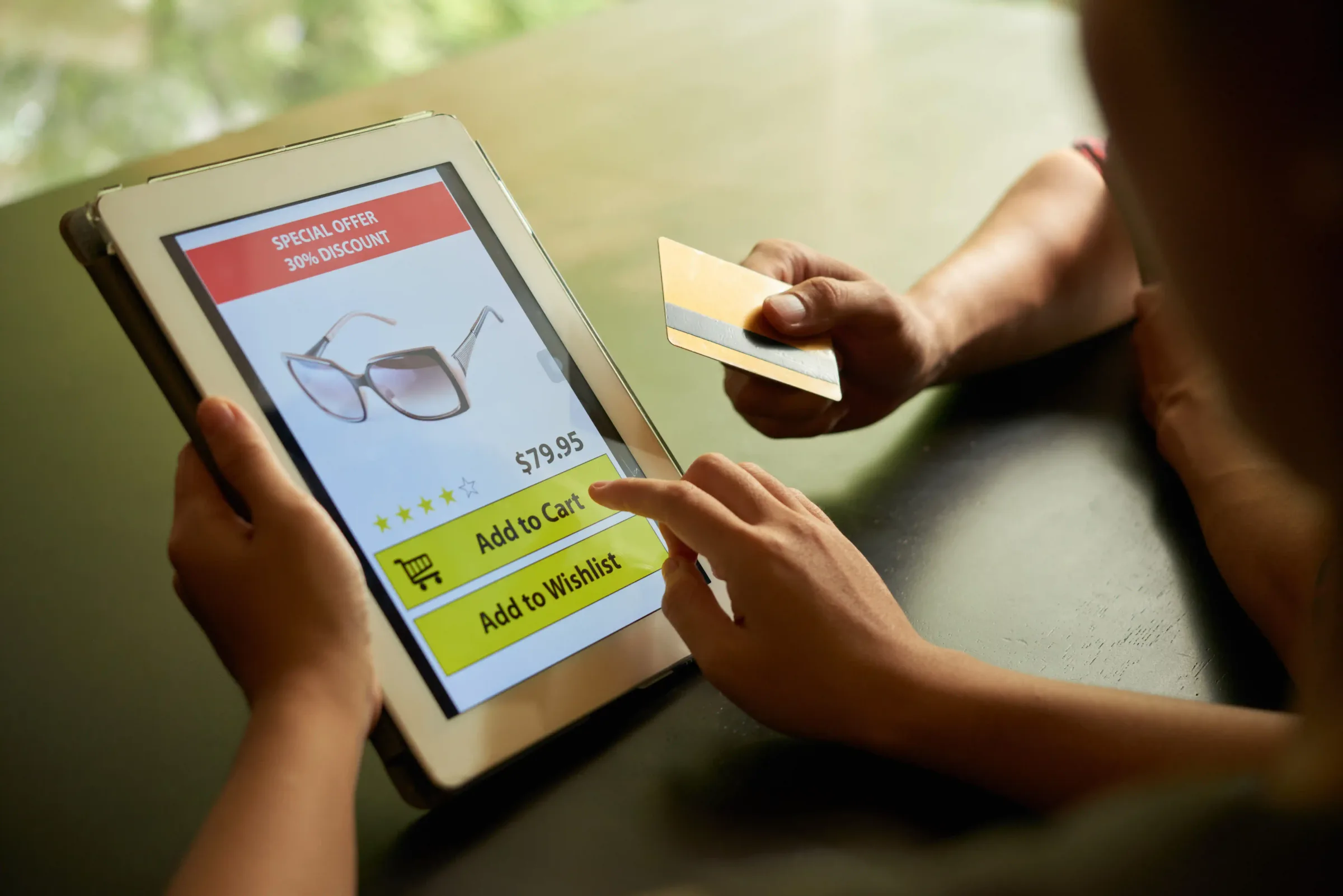
If you've ever set up a Shopify store, you know the moment: you get the theme looking nice, the products are loaded, the shipping rules are sorted, and then you hit the checkout settings and realize you have to make a decision you don't feel qualified to make. Which gateway do you actually plug in?
It's easy to just leave the default in place and move on. And honestly, for a lot of stores that's fine. But if you're trying to keep more of every sale, or you're selling into countries where your default option isn't the natural choice for shoppers, it's worth spending twenty minutes thinking this through properly.
Why this decision matters more than it looks like it should
A payment gateway isn't just plumbing. It shows up right at the point where a browser decides to become a buyer, and small frictions there (an unfamiliar logo, a redirect that feels sketchy, a wallet option that's missing) cost you real money in abandoned carts. On the other side, the rate you're paying per transaction quietly eats into margin on every single order, all year, whether you notice it or not.
So there are really two things to optimize for at once: getting people to actually finish checking out, and not overpaying to make that happen.
The things worth comparing before you decide
The rate, in full. Most gateways advertise a simple percentage, but the real cost usually has a fixed cents-per-transaction add-on too, and that fine print matters a lot if your average order value is small. A processor that looks cheap for a $150 sale can be expensive for a $12 one.
How fast you get paid. Some processors settle to your bank the next business day. Others hold on to funds for a stretch, which is a real problem if you're a smaller store managing cash flow week to week.
What happens if your store gets flagged as risky. Almost nobody thinks about this until it happens to them. Certain product categories, sudden spikes in volume, or a run of chargebacks can get an account frozen or limited with very little warning from some providers. It's worth knowing a processor's track record here before you need it, not after.
Whether it actually works well with Shopify. Not every gateway is a smooth Shopify integration. Some are native, some come through an app, and a few require extra fiddling with APIs that most store owners have no interest in touching.
The wallets your customers expect to see. Apple Pay and Google Pay have basically become the default for a lot of mobile shoppers, and if your gateway doesn't support the wallet someone's phone is already set up to use, you're adding an extra step for no reason.
Don't just pick the popular one out of habit
There's a strong gravitational pull toward whatever gateway feels like "the internet's default," the one your customers have definitely used before somewhere. That recognition is a real asset; shoppers hesitate less when they see a logo they trust. But recognition and being the right fit for your store aren't the same thing. The most familiar option isn't automatically the cheapest, the fastest to pay out, or the most forgiving if something about your account trips a fraud filter.
A newer store selling low-cost items might do best with a straightforward flat-rate processor with no monthly fee. A store doing serious volume might save meaningfully by moving to interchange-plus pricing instead. A business selling into Europe has very different local-method needs than one selling only within the US. None of this is a one-size-fits-all call, which is exactly why it's worth actually comparing your options side by side rather than guessing.
We keep an updated, filterable rundown of the processors that plug into Shopify, sorted by rate, payout speed, monthly cost, and what real merchants have said about each, over on our Shopify payment processor comparison page. It's worth a look before you commit to anything.
A word on the familiar option
Because it comes up in almost every comparison, it's worth calling out directly: a huge number of stores offer the well-known wallet-and-checkout-button option as at least one of their payment methods, purely because shoppers recognize it and it can lift conversion. That's a legitimate reason to include it. But the experience merchants report once money is moving through that account is a mixed bag: plenty of praise for how easy it is to set up, alongside a long, well-documented history of account holds and limitations that catch sellers off guard. If you're weighing whether to lean on it as your primary processor or just one option among several, it's worth reading through what actual merchants and reviewers have said before deciding. We've pulled that all together on our PayPal feedback and ratings roundup.
The bottom line
There's no universal "best" here. There's only the best fit for your order sizes, your customers, your risk tolerance, and how fast you need your cash. Take the twenty minutes. Compare the real numbers instead of the marketing ones. Your future self, looking at a year of processing fees, will thank you.
More from the blog

What Merchants Are Actually Saying About Using PayPal?
Ask ten store owners what they think of PayPal and you'll probably get ten different answers depending on whether they've ever had an account frozen.

How to Compare Payment Gateways Without Getting Overwhelmed
Every payment processor's marketing page claims to be the "best" option — which makes actual comparison shopping harder than it should be. Here's a simple framework to cut through the noise

5 Signs Your Business Has Outgrown Its Payment Setup
Your business may have outgrown its payment setup if you face slow payouts, poor support, limited reporting, bookkeeping issues, or missing features. Upgrading to the right payment processor can help your business save time, reduce costs, and scale smoothly.