What Is a Prepaid Card? A Complete Guide to How They Work
If you've ever bought a gift card, loaded money onto a travel card before a trip abroad, or given a teenager their first "practice" payment card, you've already used a prepaid card in some form.
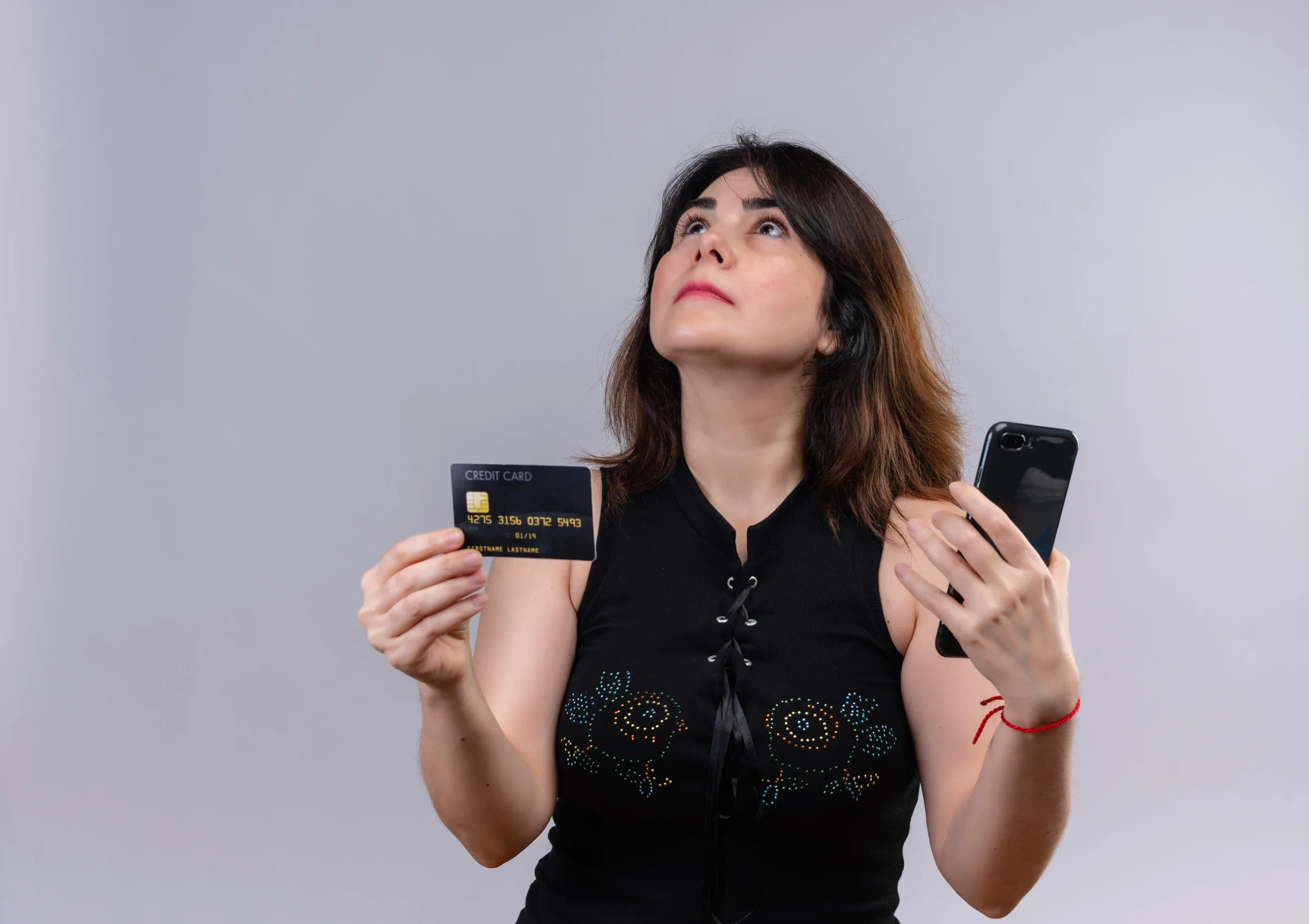
If you've ever bought a gift card, loaded money onto a travel card before a trip abroad, or given a teenager their first "practice" payment card, you've already used a prepaid card in some form. But what exactly makes a prepaid card different from a debit card or a credit card and when does it actually make sense to use one?
In this guide, we'll break down what a prepaid card is, how it works, the different types available, and the pros, cons, and fees you should know about before choosing one.
What Is a Prepaid Card?
A prepaid card is a payment card that you load with your own money in advance, and then spend down over time. Unlike a debit card, it isn't directly connected to a checking account. Unlike a credit card, it doesn't let you borrow money or build a balance you pay off later.
In simple terms: you put money on the card first, and you can only spend what's already there. Once the balance hits zero, the card stops working until you reload it (or, in the case of single-use gift cards, the card is done for good).
Prepaid cards run on the same networks as everyday debit and credit cards Visa, Mastercard, American Express, and Discover so they're accepted almost anywhere those networks are, both online and in stores.
How Do Prepaid Cards Work?
The mechanics are straightforward:
You get the card. This could be a physical card bought at a store, ordered online, or a fully digital/virtual card issued through an app.
You load funds onto it. This might happen once (like a gift card) or repeatedly (a reloadable card), through cash deposits, bank transfers, direct deposit, or linking a debit card.
You spend from the balance. Every purchase is deducted from the amount loaded on the card, similar to how a debit card transaction works at checkout.
You reload if needed. Reloadable cards let you add more funds when the balance runs low, so the card can be used indefinitely.
Because there's no credit line involved, there's no risk of going into debt with a prepaid card you simply can't spend more than what's on it.
Common Types of Prepaid Cards
Prepaid cards come in a few different flavors, each built for a different purpose:
General-purpose reloadable (GPR) cards – Function like an everyday spending account. You can reload them repeatedly and use them for regular purchases, bill payments, and ATM withdrawals.
Gift cards – Preloaded with a fixed amount and typically not reloadable. Popular for retailers, restaurants, and specific brands.
Payroll cards – Used by employers to pay wages directly onto a card instead of issuing paper checks or requiring a bank account.
Travel money cards – Let you lock in a currency exchange rate and spend abroad without relying on a linked bank account.
Virtual prepaid cards – Exist only digitally, with a card number, expiration date, and CVV generated for online use. Useful for one-time purchases or limiting exposure of your primary card details.
Government benefit cards – Used to distribute public assistance funds (like unemployment or child support payments) without requiring a traditional bank account.
The biggest distinction is control: a prepaid card puts a hard ceiling on spending, since you can't spend money that isn't already loaded on it.
Who Uses Prepaid Cards, and Why?
Prepaid cards solve a few very specific problems:
Budgeting – Loading a fixed amount makes it easy to control spending for categories like groceries, entertainment, or a vacation fund.
No bank account required – Prepaid cards give unbanked or underbanked individuals a way to make card payments and shop online.
Teaching money management – Parents often use prepaid cards to give teens a safe way to spend without access to a full bank account or credit line.
Online security – A virtual prepaid card limits how much of your financial information is exposed if a retailer's site is ever compromised.
Business expense control – Companies issue prepaid cards to employees or contractors with preset limits, avoiding the need for expense reimbursements.
Fees and Limitations to Watch For
Prepaid cards aren't free to use in every case. Common fees include:
Activation fees – Some cards charge a one-time fee when you first purchase or activate them.
Reload fees – Adding funds, especially via cash, can come with a small charge.
Monthly maintenance fees – Some reloadable cards charge an ongoing fee just to keep the account active.
ATM withdrawal fees – Charged by the card issuer, the ATM operator, or both.
Inactivity fees – If a card sits unused for a long stretch, some issuers deduct a fee from the balance.
It's also worth noting that prepaid cards typically don't help build credit history, since there's no borrowing or repayment involved. If your goal is to establish or improve credit, a secured credit card is usually a better fit.
Is a Prepaid Card Right for You?
A prepaid card makes the most sense when you want predictable, capped spending without the risk of debt or overdraft for budgeting, gifting, travel, or giving someone (like a teen or an employee) a controlled way to spend. If your priority is building credit history or earning rewards, a credit card or a bank-linked debit card will likely serve you better.
Before choosing a card, compare fee structures across a few issuers, since costs can vary significantly between providers even for cards that look similar on the surface.
More from the blog

What Merchants Are Actually Saying About Using PayPal?
Ask ten store owners what they think of PayPal and you'll probably get ten different answers depending on whether they've ever had an account frozen.
Picking the Right Checkout Partner for Your Shopify Store
If you've ever set up a Shopify store, you know the moment: you get the theme looking nice, the products are loaded, the shipping rules are sorted, and then you hit the checkout settings and realize you have to make a decision you don't feel qualified to make.

How to Compare Payment Gateways Without Getting Overwhelmed
Every payment processor's marketing page claims to be the "best" option — which makes actual comparison shopping harder than it should be. Here's a simple framework to cut through the noise