Payment Processing Systems: What They Are and How They Work
Learn what payment processing systems are, how they work, their key components, benefits, and how to choose the right payment processing system for your business.
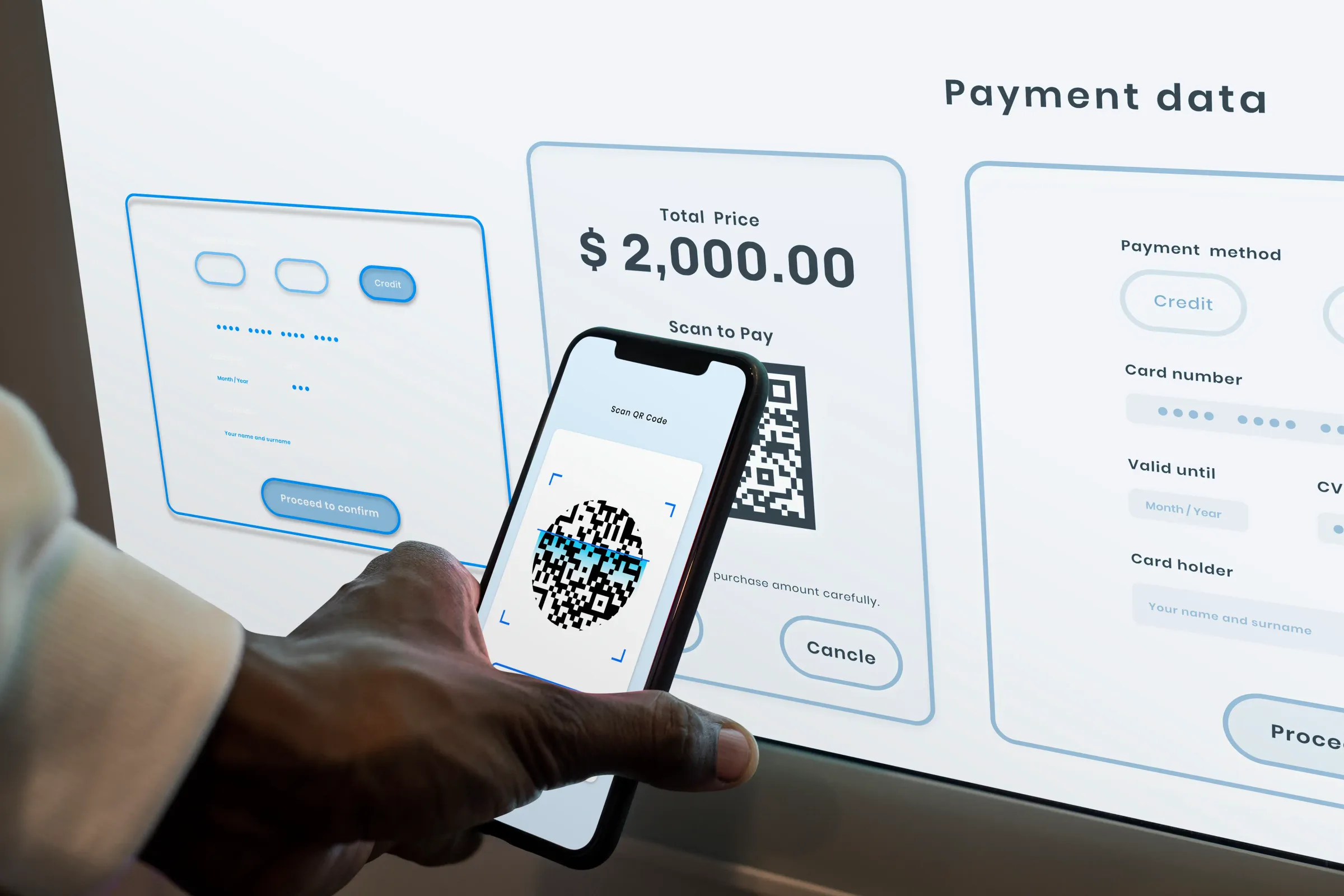
A payment processing system is the technology that securely authorizes, processes, and settles electronic payments between customers, businesses, banks, and payment networks. It enables businesses to accept credit cards, debit cards, digital wallets, ACH transfers, and other electronic payment methods both online and in person.
A payment processing system typically includes a payment gateway, payment processor, acquiring bank, issuing bank, and card network, all working together to verify payment details, prevent fraud, transfer funds, and complete transactions. Businesses rely on payment processing systems to provide secure, fast, and seamless payment experiences, improve cash flow, reduce manual payment handling, support recurring billing, and accept multiple payment methods from customers worldwide.
Key Takeaways
Payment processing systems enable businesses to accept electronic payments securely.
They support online, in-store, mobile, and recurring payments.
A payment processing system consists of a payment gateway, processor, acquiring bank, issuing bank, and payment network.
Modern systems include fraud prevention, encryption, and real-time transaction monitoring.
Choosing the right payment processing system improves customer experience and business efficiency.
What Is a Payment Processing System?
A payment processing system is the infrastructure that manages electronic payment transactions from the moment a customer initiates a payment until the funds reach the merchant's account.
Instead of relying on cash or paper checks, businesses use payment processing systems to accept digital payments securely and efficiently. Whether customers shop online, use a mobile app, tap a contactless card, or pay at a physical store, the payment processing system handles the transaction behind the scenes.
These systems help businesses automate payment acceptance while maintaining security and compliance with industry standards.
How Does a Payment Processing System Work?
Although the process happens in seconds, several steps occur during every transaction.
1. Customer Initiates Payment
The customer chooses a payment method such as:
Credit card
Debit card
Digital wallet
Bank transfer
ACH payment
2. Payment Information Is Encrypted
The payment gateway securely encrypts the transaction details before sending them for authorization.
3. Authorization Request
The payment processor sends the payment request through the appropriate payment network to the customer's issuing bank.
4. Bank Approval
The issuing bank verifies:
Available funds or credit
Card validity
Security checks
Fraud detection rules
The bank then approves or declines the transaction.
5. Settlement
Once approved, the payment processor transfers funds to the merchant's acquiring bank, and the money is deposited into the business account according to the settlement schedule.
Key Components of a Payment Processing System
Every payment processing system includes several essential components.
Payment Gateway
A payment gateway securely captures and encrypts customer payment information before transmitting it for authorization.
Payment Processor
The payment processor communicates with banks and payment networks to authorize and complete transactions.
Acquiring Bank
The acquiring bank receives funds on behalf of the merchant and deposits them into the business account.
Issuing Bank
The issuing bank provides the customer's payment card and approves or declines transactions.
Payment Networks
Card networks such as Visa, Mastercard, American Express, and Discover facilitate communication between banks during card transactions.
Types of Payment Processing Systems
Businesses can choose from different payment processing systems depending on how they accept payments.
Online Payment Processing
Supports eCommerce websites, online marketplaces, and digital services.
In-Store Payment Processing
Uses POS terminals, EMV chip readers, and contactless payment devices.
Mobile Payment Processing
Allows businesses to accept payments through smartphones, tablets, and mobile card readers.
Recurring Payment Processing
Automates subscription billing and recurring customer payments.
Omnichannel Payment Processing
Integrates online, in-store, and mobile payments into one unified system.
Benefits of Payment Processing Systems
Modern payment processing systems provide numerous advantages.
Accept multiple payment methods
Faster payment authorization
Improved customer experience
Enhanced transaction security
Automated payment reconciliation
Better cash flow management
Reduced manual processing
Support for recurring billing
Business reporting and analytics
These benefits help businesses improve operational efficiency while increasing customer satisfaction.
Why Payment Processing Systems Matter
Customers expect fast, secure, and convenient payment experiences. A reliable payment processing system helps businesses reduce checkout friction, increase payment acceptance rates, minimize fraud risks, and streamline financial operations.
Whether you operate an online store, retail location, service business, or subscription platform, investing in the right payment processing system can improve efficiency while supporting long-term growth.
Frequently Asked Questions
What is a payment processing system?
A payment processing system is a technology platform that securely authorizes, processes, and settles electronic payments between customers, merchants, banks, and payment networks.
What are the main components of a payment processing system?
Most payment processing systems include a payment gateway, payment processor, acquiring bank, issuing bank, and payment network.
Can payment processing systems accept multiple payment methods?
Yes. Most modern systems support credit cards, debit cards, digital wallets, ACH payments, bank transfers, and contactless payments.
Are payment processing systems secure?
Yes. Reputable systems use encryption, tokenization, fraud detection, and PCI DSS compliance measures to protect payment data.
Why do businesses need a payment processing system?
Businesses use payment processing systems to accept electronic payments securely, improve customer experience, automate payment operations, and accelerate cash flow.
Conclusion
A payment processing system is the foundation of modern electronic payments, enabling businesses to securely accept and manage transactions across online, in-store, and mobile channels. By combining payment gateways, processors, banks, and payment networks into a seamless workflow, these systems simplify payment acceptance while improving security, efficiency, and customer satisfaction. Choosing the right payment processing system helps businesses support multiple payment methods, reduce operational complexity, and create a smoother payment experience that drives long-term growth.
More from the blog

What Merchants Are Actually Saying About Using PayPal?
Ask ten store owners what they think of PayPal and you'll probably get ten different answers depending on whether they've ever had an account frozen.

Picking the Right Checkout Partner for Your Shopify Store
If you've ever set up a Shopify store, you know the moment: you get the theme looking nice, the products are loaded, the shipping rules are sorted, and then you hit the checkout settings and realize you have to make a decision you don't feel qualified to make.

How to Compare Payment Gateways Without Getting Overwhelmed
Every payment processor's marketing page claims to be the "best" option — which makes actual comparison shopping harder than it should be. Here's a simple framework to cut through the noise