How Businesses Can Improve Their Digital Payment Experience
Discover how businesses can create smoother payment experiences, improve transaction efficiency, reduce customer friction, and choose the right payment technology solutions.

Introduction
Customer expectations have changed significantly in recent years. People want payments to be fast, simple, and secure whether they are shopping online, paying through mobile devices, or completing purchases in physical stores.
A complicated checkout process, limited payment options, or transaction failures can quickly affect customer satisfaction and lead to lost sales.
For businesses, creating a smooth digital payment experience is no longer just a convenience. It has become an important part of improving customer relationships, increasing conversions, and supporting long-term growth.
By understanding modern payment technology and adopting the right solutions, businesses can create safer and more efficient transaction experiences.
Why Payment Experience Matters for Businesses ?
A customer's payment experience often determines how they view a business.
Even when customers are interested in a product or service, they may abandon their purchase if the payment process feels inconvenient or unreliable.
A better payment experience can help businesses:
Increase completed transactions
Reduce checkout abandonment
Improve customer satisfaction
Encourage repeat purchases
Build stronger brand trust
A simple and reliable checkout process creates confidence and improves the overall customer journey.
Common Problems That Affect Digital Payments
Businesses often face challenges that impact transaction performance.
Some common issues include:
Limited Payment Options
Customers prefer flexibility when completing purchases. Businesses that only support a small number of payment methods may lose potential customers.
Slow Transaction Processing
Long waiting times during checkout can create frustration and increase abandoned purchases.
Complex Checkout Steps
Too many forms, unnecessary information requests, or confusing payment screens can negatively affect conversions.
Security Concerns
Customers need reassurance that their personal and financial information is protected during every transaction.
Identifying these challenges helps businesses create better payment strategies.
Choosing Technology That Supports Business Needs
Every business has different payment requirements.
A small online store may need simple transaction tools, while a growing company may require advanced features such as automated reporting, fraud monitoring, and multiple payment channels.
When evaluating payment technology, businesses should consider:
Security features
Integration options
Transaction management capabilities
Customer support
Scalability
Pricing structures
The right technology should support both current operations and future business growth.
The Role of Automation in Modern Transactions
Automation has transformed how businesses manage payments.
Modern systems can help companies:
Track transactions efficiently
Generate reports automatically
Identify suspicious activity
Manage recurring payments
Improve operational workflows
Reducing manual processes allows businesses to focus more on customer service and growth.
Understanding Costs Before Selecting a Payment Solution
Payment-related expenses can influence business profitability.
Companies should evaluate different cost factors, including:
Transaction charges
Service fees
Monthly platform costs
Integration expenses
Additional security features
Understanding these expenses helps businesses select solutions that provide long-term value rather than focusing only on initial pricing.
A Practical Business Example
Consider a growing subscription-based fitness company.
Initially, customers experienced difficulties completing payments because the business used limited payment options and had a complicated checkout process.
After reviewing customer feedback, the company improved its payment setup by offering more payment choices, simplifying checkout steps, and introducing automated transaction management.
The result was a smoother customer experience, fewer failed transactions, and improved customer retention.
This example shows how improving payment processes can directly support business performance.
Building Trust Through Better Payment Experiences
Businesses can strengthen customer confidence by:
Displaying secure checkout indicators
Communicating payment policies clearly
Protecting customer information
Providing reliable transaction support
Maintaining transparent pricing
A trustworthy payment experience encourages customers to complete purchases and return in the future.
Learn More About Business Payment Technology
Selecting the right payment approach requires understanding different technologies, transaction processes, and industry practices.
Businesses looking to improve their payment operations can explore our merchant payment knowledge hub, where they can find educational resources about transaction management, payment technology, and business solutions.
Conclusion
A successful digital payment experience combines convenience, security, and efficiency.
Businesses that improve their payment processes can create better customer experiences, reduce transaction problems, and build stronger relationships with their customers.
As payment technology continues to evolve, companies that stay informed and adapt to changing customer expectations will be better positioned for long-term success.
More from the blog
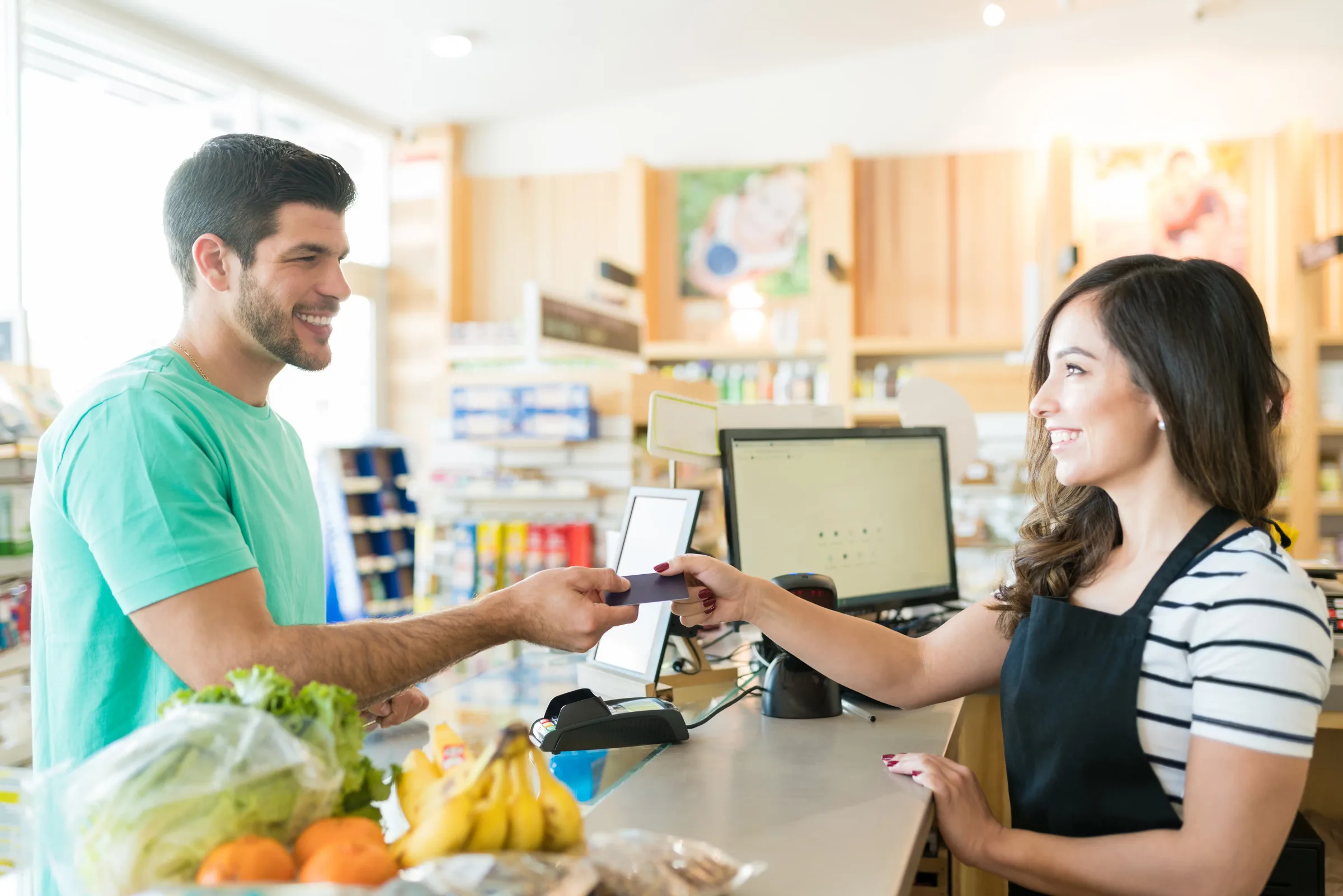
What Is a Cashier's Check and Where To Get Them
Businesses require various types of payment methods such as electronic payments and bank transfers to make purchases, pay bills, and manage other transactions.

20 Realistic Side Hustles for 2026
Are you looking for extra income a way to spend your free time earning, trying out a new idea or simply supplement your regular income? Whatever your reason a side hustle can accomplish all of that and more.
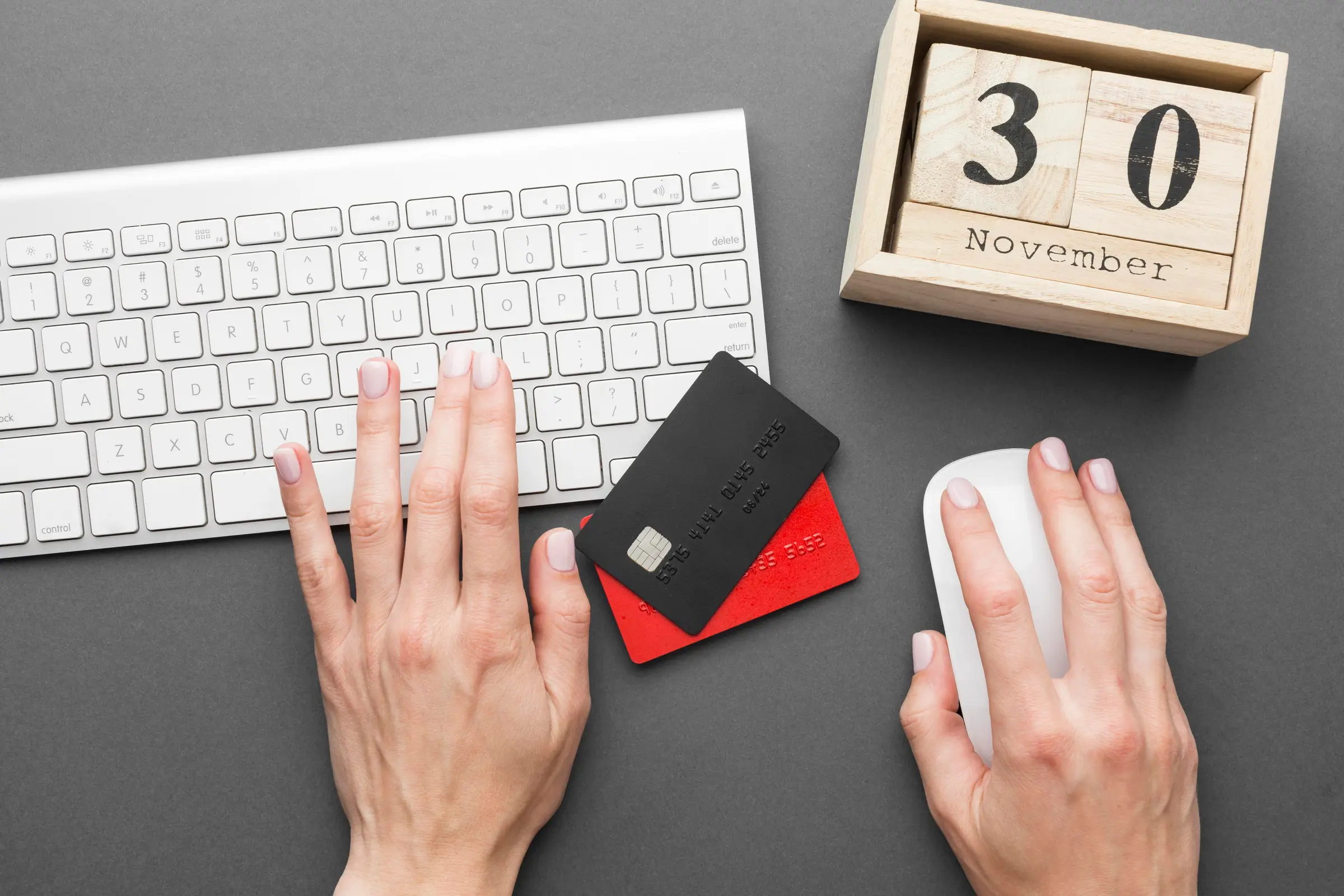
What Is a Payment Processor? How It Works, Step by Step
A payment processor moves money between your customer’s bank and yours. Here’s how it works, how it differs from a gateway and merchant account, and what it costs.